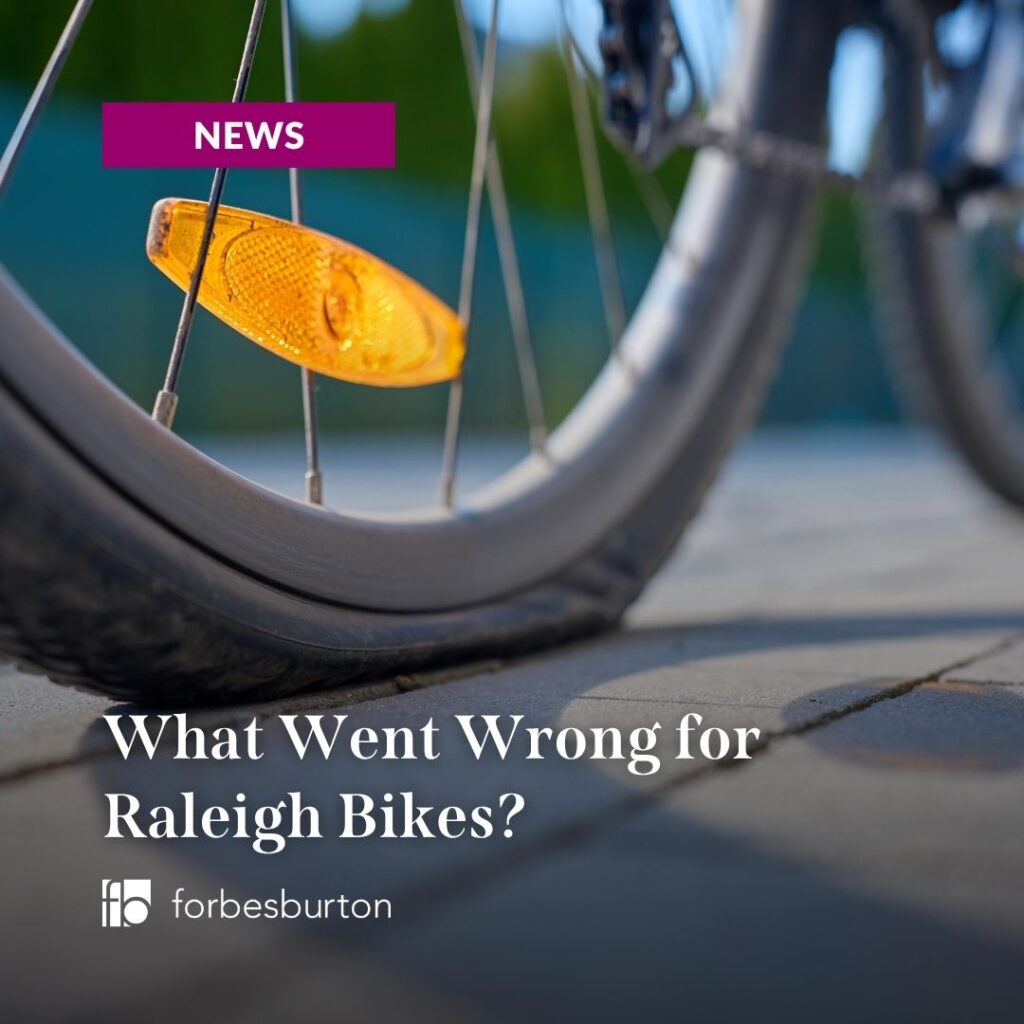
The Nottingham-born brand was once synonymous with bicycles but now finds itself insolvent and unknown by a new generation of cyclists.
Insolvency proceedings have begun for the owner of the fallen cycling giant and follows sweeping redundancies made in 2024 as they closed its Nottingham headquarters in Eastwood.
The 139-year-old company was once the biggest bicycle manufacturer in the world and employed some 10,000 workers at its Nottingham-based facilities in the 1950s but stopped producing bikes in the city around the turn of the millennium.
Raleigh was eventually taken over by Dutch conglomerate, Accell in 2012, but has since seen itself struggle. In January 2025, they announced losses of £30m.
But what exactly went wrong for Raleigh?
A misreading of the Covid-19 pandemic
Lockdown saw a surge in several different activities. Suddenly, everyone was baking their own bread and taking up yoga to break up the tedium of isolating.
Cycling was no different, and a huge uptake in bike purchases saw Raleigh over-expand their product lines and pack their warehouses to the rafters.
When the lockdown-induced hype didn’t translate to permanent demand, however, Raleigh found that they had overreached, overreacted, and wildly overstocked.
Slow to react to trends
In the 70s and 80s, Raleigh’s innovative designs led the pack. Models like the Chopper, Grifter, and Street Wolf quickly became aspirational bikes to own, and they were quick to pounce on the BMX trend as it emerged.
Seemingly complacent with their BMX success though, Raleigh was slow to see the public switch to a preference for mountain bikes. This allowed other companies to gain traction in a market that they had traditionally been almost monopolised by them.
Loss of identity
While they no longer had iconic or innovative models in their product line, Raleigh could at least rely on the brand name standing for quality British-made products. Unfortunately, though, even that particular feather in their cap was lost as production was moved overseas to Asian factories.
This led to Raleigh missing another market shift: that of a move to more premium brands such as Trek and others. Raleigh doesn’t fit in this particular sphere, and unfortunately for them, it doesn’t fit in the budget sphere either. Instead, it finds itself in an unremarkable middle-ground among many other non-descript competitors.
Without a USP to draw interest, nor a claim of being British made anymore, Raleigh lacks a compelling proposition to draw in buyers.
What’s next?
A buyout bid from Singaporean investment firm, DuTech Group unfortunately fell through recently, leaving many to speculate what will become of the iconic brand.
Former international cyclist, Mel Sutcliffe has expressed an interest in Accell Group, Raleigh’s parent company, and has assembled a team of investors to potentially purchase the business. The Irishman owns Quanta Capital, an investment platform, that already sponsors the Junior Tour of Ireland and retains an interest in cycling.
Otherwise, local authorities in the Nottingham area have called for the government to step in and save the brand (though not the Dutch company that currently owns it). This could be used for the means of creating a museum dedicated to its history.
Is your business finding conditions difficult?
At Forbes Burton, we’re able to help with restructuring plans, strategise the best way to exit, or even find a buyer for your business. Our initial phone consultations are entirely free of charge and will give you an idea of the best route to take.
Call today on 0800 060 8548 or email advice@forbesburton.com for a free consultation with one of our expert advisers and find out how we can help business owners navigate an uncertain future.
Author
Related Articles
We're here for you.
As a dedicated team of Advisers and Consultants our aim is to help you fix the issues and solve the problems within your business.
Find out more →